Carpet Tile
Unigen represents some of the world's leading flooring brands, providing architects and designers with commercial flooring solutions that combine aesthetics, durability, and sustainability. Our Modulyss® and Mohawk Group® carpet tile collections deliver high performance, design flexibility, and long-lasting durability across offices, educational facilities, healthcare environments, hospitality, retail, and other high-traffic commercial spaces.
-1.png)
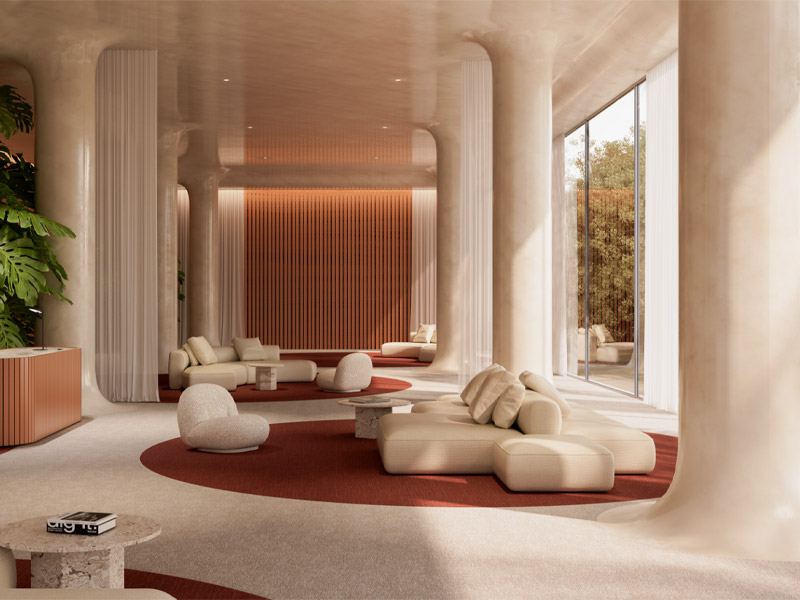
Manufactured in Belgium and trusted in more than 95 countries worldwide, Modulyss® designs and manufactures premium carpet tiles for commercial interiors. With over 25 years of expertise, it combines creativity, functionality, and sustainability to support inspiring architectural design. With a rich variety of colours, patterns, and textures, its Cradle to Cradle® certified collections adapt seamlessly to a wide range of projects. They enhance acoustic performance, improve indoor comfort, and deliver long-lasting durability through advanced yarn technology.
-1.png)
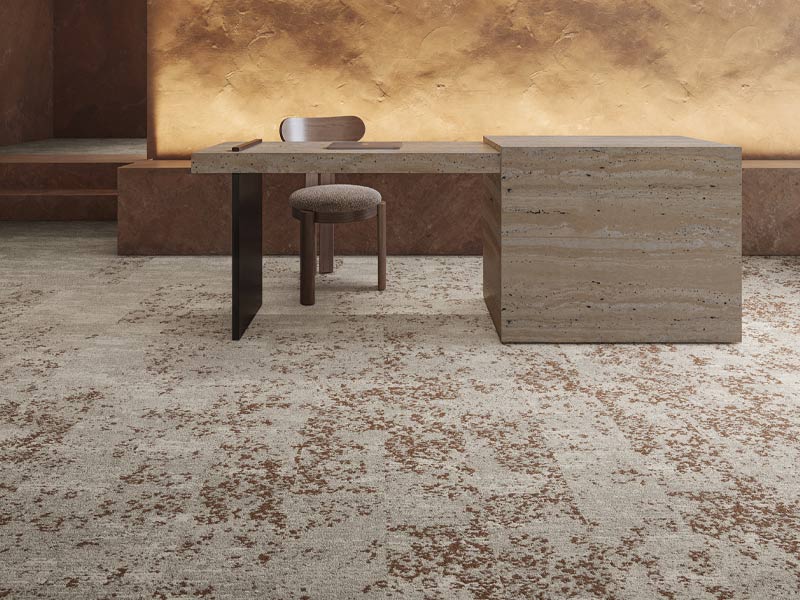
Mohawk Group EMEA is the premium commercial carpet tile brand of Unilin and part of Mohawk Industries, the world's largest flooring manufacturer. With its innovative designs, exceptional durability, and well-being focused approach, it delivers inspiring flooring solutions for commercial interiors. Its sustainability vision is supported by recycled materials, low VOC emissions, and internationally recognized certifications. The Mix & Match concept offers unlimited design flexibility, allowing unique combinations that give every project its own distinctive identity.
What is Carpet Tile?
Carpet tiles are modular flooring materials typically produced in square (50x50 cm) or rectangular (plank) formats, offering an alternative to traditional broadloom carpets. This modular structure offers great flexibility and practicality, especially for high-traffic commercial spaces that require frequent updates. Each carpet tile can be installed, moved, or replaced individually when needed.
The main purpose of carpet tiles is to provide both visual variety and operational convenience in flooring. The product’s backing structure and yarn quality determine its durability and functional performance. Primarily used in commercial spaces, carpet tiles are designed to withstand heavy foot traffic, wear, and staining. They also offer key benefits such as sound insulation, thermal efficiency, and walking comfort.
Advantages of Carpet Tile
Commercial-grade carpet tile collections have become an essential choice in today’s modern work and living spaces due to the many unique advantages they offer. These advantages include:
● Their modular dimensions make carpet tiles easy to transport, install, and replace.
● Carpet tiles are installed using post it-style adhesives or special adhesive tapes. This allows them to be easily removed and reused. In addition to providing easy access to the subfloor and enabling quick interventions, they also offer flexibility to modify, expand, or reduce space over time as needs evolve.
● Compared to broadloom materials, carpet tiles generate significantly less waste during installation. This not only increases cost efficiency but also reduces material waste.
● The backing structure and yarn properties of carpet tiles provide acoustic benefits, improving both walking comfort and overall room acoustics.
● With a wide variety of patterns, colors, and textures, carpet tile collections offer endless creative possibilities for architects and interior designers. They allow for aesthetic zoning in open-plan offices, defining walkways, or creating custom designs that reflect brand identity.
● Commercial-grade carpet tiles are designed to withstand heavy foot traffic. Their antistatic properties help trap dust without causing it to become airborne, making it easy to clean and maintain.
● They comply with essential environmental and safety standards, including fire classification requirements, low VOC emissions, and the use of recycled yarns.
Important Factors in Carpet Tile Selection
Choosing carpet tiles should not be based on appearance alone, but also on technical requirements and the functional needs of the space. To make the right choice, it's important to consider the following factors:
● Usage Intensity and Wear Resistance: Choosing carpet tiles that match the traffic level of space is essential. For high-traffic areas, products with a minimum wear classification of Class 33 should be preferred. International standards such as EN 1307 can guide you in making the right selection.
● Acoustic Performance: In certain environments, the sound-absorbing properties of flooring play a critical role. In spaces where noise control is essential—such as call centers, cinemas, and conference rooms—acoustic carpet tiles with high sound absorption values (measured in decibels) should be prioritized.
● Yarn Type and Texture: The yarn type (e.g., polyamide, polypropylene) and texture (loop pile, cut pile, etc.) have a direct impact on the carpet tile’s durability, stain resistance, and cleanability
● Easy Maintenance and Cleaning: In spaces that require frequent cleaning—such as hotels and educational facilities that are easy to maintain and resistant to staining become especially important.
● Environmental Certifications and Safety Standards: Products that meet key environmental and safety standards—such as proper fire classification, low VOC (Volatile Organic Compound) emissions, and recycled contents support both the quality of your project and your sustainability goals. Certifications like LEED-compliant product documentation, Cradle to Cradle, CE marking, ISO 9001 / ISO 14001, and GUT / Green Label Plus can guide your selection process."
Therefore, before making a decision, it is essential to review the product’s technical data sheets (catalogs or specification documents) as well as reference projects.
Carpet Tile Models & Collections
The world of carpet tiles offers a wide range of collections designed to meet various functional needs and aesthetic expectations. From subtle and understated to bold, organic, or directional patterns, these collections bring a unique character to every project.
● Minimal Collections: Offering timeless and clean flooring aesthetics through solid colors or very subtle textures.
● Organic Patterns: Inspired by nature, these designs incorporate soft color transitions and irregular forms to add warmth and a natural feel to the space.
● Geometric and Dynamic Series: Featuring linear, grid-based, or rhythmic patterns, these collections help create modern and energetic spaces.
● Zoning-Oriented Designs: These collections include colorful or shaped panels used in open-plan offices to guide movement, define focus areas, or create functional zones.
These collections enable architects and interior designers to create project-specific solutions that are not only aesthetically pleasing but also functionally effective.
Why Choose Modulyss Carpet Tiles?
As a Belgium-based manufacturer, Modulyss combines design flexibility, eco-friendly production, and high-quality standards. With the use of recycled ECONYL® yarn, Cradle to Cradle certifications, and low VOC emission values, the brand is a sustainability leader in the industry. Its rich design variety, ability to mix and match collections, and project-specific solutions make it a preferred choice among architects and interior designers. Additionally, its acoustic ranges and plank-format series offer both technical performance and visual appeal for contemporary office projects.
Why Choose Mohawk Carpet Tiles?
Mohawk Group is a U.S.-based global carpet tile manufacturer known for its innovative and sustainable production approach. With environmental certifications such as Red List Free and Declare, its products contribute to green building projects like LEED. Designed specifically for high-traffic areas, Mohawk collections stand out with their aesthetic appeal, durable backing systems, and long-lasting performance. For commercial spaces, Mohawk offers strong and reliable solutions that meet both technical and environmental standards.
Carpet Tile Materials and Texture Types
The surface textures of carpet tiles impact not only aesthetic preferences but also user comfort and functional performance. The most common carpet tile textures include loop pile, cut pile, tip-shear (a mix of cut and loop), and textured loop.
● Loop pile textures stand out with their durability, making them ideal for high-traffic areas such as offices.
● Cut pile textures offer a soft feel, adding warmth and comfort to spaces like hotels and executive offices.
● Tip-shear designs combine both looped and cut yarns, creating a multi-dimensional surface appearance.
● Textured loop features varying loop heights that deliver a subtly raised and sophisticated look.
Textures play a critical role in design by creating surface effects that interact with light, concealing stains, and enhancing the overall atmosphere of space.
How Are Carpet Tiles Installed?
● Before installation, the subfloor surface must be smooth, clean, and free of dust.
● Carpet tiles can be installed using water-based adhesives that allow for repeated removal and reapplication, or with special double-sided tapes.
● They can be laid directly on concrete surfaces and are also compatible with raised access flooring systems. During installation, pattern direction, color transitions, and module layout must be carefully planned. Technical documentation and layout diagrams provided with the product should always be consulted throughout this process.
Lifespan of Carpet Tiles
The lifespan of carpet tiles depends on product quality, foot traffic intensity, and maintenance conditions, but typically ranges between 8 to 12 years. High-performance carpet tiles used in commercial projects can retain their appearance and structure for many years, especially when properly installed and regularly maintained. Solutions offered by global manufacturers like Modulyss and Mohawk provide superior resistance to wear, fading, and yarn deformation. Moreover, thanks to their modular design, only the worn sections can be replaced, which helps extend the overall lifespan of the flooring.
Carpet Tile Cleaning and Maintenance
One of the key advantages of carpet tiles is their ease of maintenance. For daily cleaning, a commercial-grade vacuum cleaner is generally sufficient. Periodic professional cleaning is also recommended to maintain long-term performance. In case of staining, the affected tile can be easily removed for cleaning or replaced if necessary. This makes modular carpet tiles a more economical and sustainable option compared to broadloom carpets. Additionally, some collections are manufactured with special soil- and stain-resistant technologies, reducing the frequency and effort required for cleaning.
Areas of Use for Carpet Tiles
With their modular flexibility and high durability, carpet tiles are widely used across many industries and interior spaces. Common application areas include:
● Corporate Offices: Ideal for workspaces, meeting rooms, executive floors, and open-plan layouts, offering acoustic comfort, aesthetic appeal, and ease of replacement.
● Educational Institutions: Suitable for schools, universities, and training centers due to their hygiene, easy maintenance, and ability to withstand high foot traffic.
● Hotels and Hospitality Spaces: Provide design variety, a warm atmosphere, and walking comfort in lobbies, corridors, meeting rooms, and guest rooms.
● Healthcare Facilities: Used in hospitals, clinics, and medical centers for their antibacterial properties, low VOC emissions, and hygienic maintenance.
● Banks and Government Buildings: Offer a combination of a prestigious look, durability, and low-maintenance performance.
● Retail Stores and Showrooms: Stand out with their resistance to heavy use and customizable designs that reflect brand identity.
● Call Centers & Cinemas/Conference Halls: Provide effective acoustic solutions where sound absorption is critical.
Standard Sizes of Carpet Tiles
Carpet tiles are most produced in 50x50 cm dimensions, which is considered the industry standard due to its advantages in stock management, pattern alignment, and ease of installation. However, some collections are also available in alternative formats such as 25x100 cm, 60x60 cm, or custom plank sizes. This variety offers greater design flexibility, especially in projects requiring directional layouts, geometric patterns, or spatial zoning.
Carpet Tile Certifications and Standards
In professional projects, carpet tiles must meet not only aesthetic expectations but also environmental, health, and performance standards. That’s why product certifications play a key role in the selection process.
Common certifications include:
● LEED-Compliant Product Documentation: For products that contribute to green building certifications and sustainability goals.
● Cradle to Cradle Certified: Verifies that the product is sustainable throughout its entire life cycle, from raw materials to end-of-life.
● CE Marking: Indicates compliance with European safety, health, and environmental standards.
● ISO 9001 / ISO 14001: Certifications for quality management (ISO 9001) and environmental management systems (ISO 14001).
The brands represented by Unigen add value to projects with their collections that meet these standards.
What Is Acoustic Carpet Tile and What Is It Used For?
Acoustic carpet tiles are specifically designed to reduce ambient noise levels and improve interior acoustics. Compared to hard flooring surfaces, they have a much higher sound absorption capacity. This enhanced performance is achieved through factors such as pile height, yarn density, and, most importantly, specially engineered acoustic backing materials.
Acoustic carpet tiles are an indispensable solution in spaces where sound control, echo reduction, and noise minimization are essential—such as open-plan offices, call centers, educational facilities, libraries, cinemas, and conference halls. Thanks to various backing technologies developed by manufacturers, these products not only deliver high acoustic performance but also provide a softer underfoot feel. Some models can achieve sound absorption levels of up to 20 dB.
What Is Felt Carpet?
Felt carpet is a special type of non-woven flooring made by interlocking wool or synthetic fibers through needling, and then pressing them together with heat and moisture. Traditionally produced from sheep’s wool, felt is formed when fibers are bonded through a unique process that creates a dense, durable, and uniform structure.
Beyond their aesthetic appeal, felt carpets are valued for their functional properties. Wool-based felt carpets provide effective thermal and acoustic insulation for floors, thanks to the natural insulating abilities of wool. Their high sound absorption capacity makes them ideal for spaces where acoustic comfort is a priority. In addition, the natural structure of wool allows the material to breathe and regulate humidity, contributing positively to indoor air quality. Available in a wide range of colors and textures, felt carpets complement both modern and traditional interior designs, bringing natural warmth and an authentic touch to any space.
Carpet Tiles – Frequently Asked Questions
Are carpet tiles suitable for cable management?
Yes. Carpet tiles that can be loose-laid over raised access floors provide easy access for cable and infrastructure routing.
Karo halılar alerjiye neden olur mu?
No. High-quality carpet tiles with low VOC emissions and antistatic properties have a low tendency to trap dust.
Can a damaged carpet tile be replaced?
Yes. A damaged or soiled tile can be easily removed and replaced with a new one.
Can the same carpet tile be used in all areas?
No. The right product should be selected based on factors such as traffic levels, acoustic requirements, aesthetic expectations, and maintenance conditions.
What is the lead time for carpet tiles?
For stocked collections, delivery can usually be arranged within a short timeframe. However, for products that require custom manufacturing or import, production and shipping times will apply. For the most accurate information based on the scale of your project, please consult the Unigen team..