LVT
Unilin and Moduleo flooring solutions provide practicality and convenience thanks to their suitability for heavy traffic, their waterproof feature, and ease of application and maintenance. LVT floor coverings are easy to clean and have nano silver technology. Nano silver technology destroys 99% of the bacteria on the surface and provides the desired hygiene in commercial spaces. The most important feature of LVT collections is; thanks to Protectonite PU technology, it is preferred in areas with heavy traffic such as restaurants, shops, hotels and offices with its acoustic and non-slip performances.
-1.png)
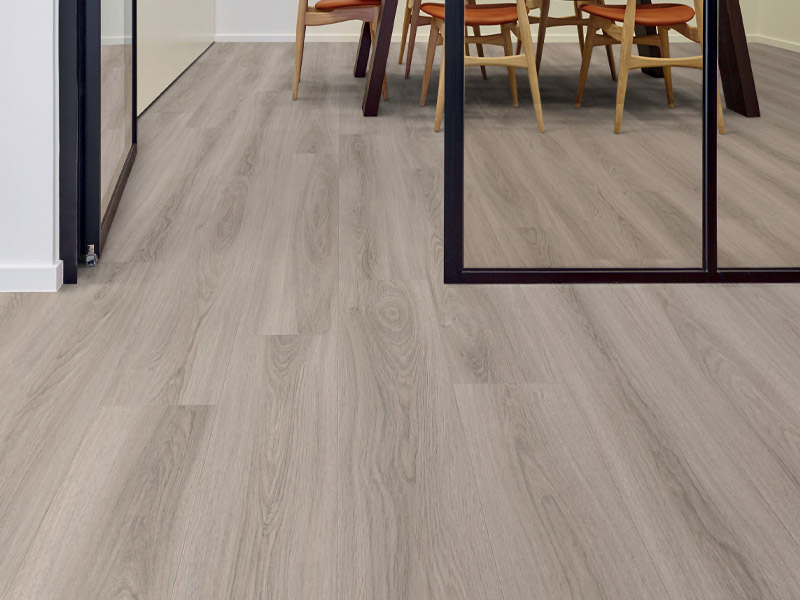
Unilin LVT collections combine aesthetic design with high performance, offering versatile flooring solutions for modern architectural projects. Inspired by natural materials, the collections feature a wide range of patterns and colours, along with Dryback, Looselay, and Click installation options. With high wear resistance, easy maintenance, and long-lasting performance, Unilin LVT floors are suitable for various applications, from offices and hotels to retail, education, and healthcare spaces.
-1.png)
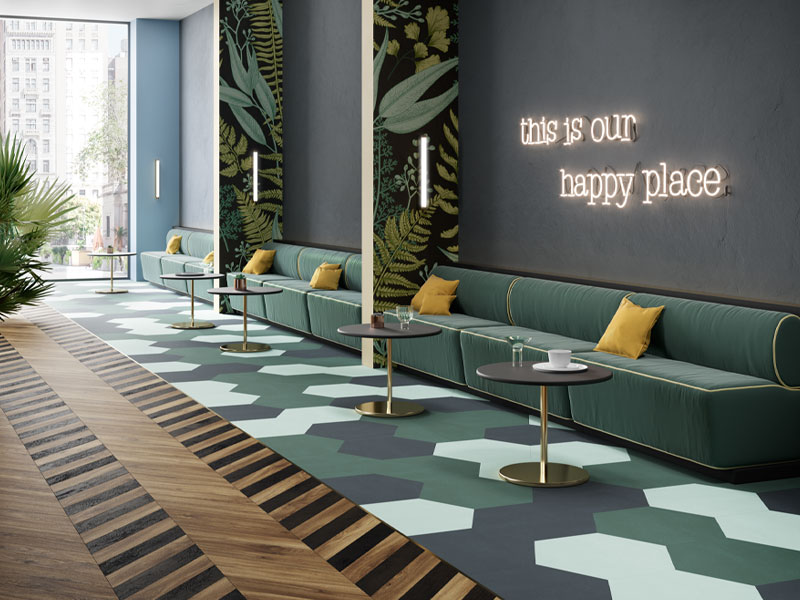
Moduleo design vinyl flooring solutions that combine refined aesthetics with everyday performance. Offering a wide range of colours, patterns, and innovative surface textures, Moduleo floors allow designers to create distinctive interiors without compromising on comfort. With features such as acoustic performance, underfoot comfort, and long-lasting durability, Moduleo design vinyl floors deliver a balanced solution for modern commercial spaces where style and functionality must work together.
What is LVT Flooring?
LVT (Luxury Vinyl Tile) flooring is a modern flooring solution made from high-quality vinyl-based material, distinguished by its modular structure and realistic designs. Also known as luxury vinyl tile, LVT makes it possible to bring the appearance of natural surfaces such as wood, stone, marble, or concrete into interior spaces thanks to advanced printing technologies.
The protective wear layer on its surface gives LVT flooring high resistance to scratches, impacts, and stains. The detailed prints used in the design layer provide depth and a decorative appearance to the floor, while the backing layer ensures strong adhesion to the subfloor and dimensional stability. Offering aesthetics and functionality together, LVT stands out as a long-lasting and hygienic flooring option in many different areas, from offices to residential spaces.
Advantages of LVT Flooring
LVT flooring stands out for its aesthetic appearance and ease of use, as well as its distinctive technical features. The main reasons for its frequent use in modern projects are as follows:
● With its high wear layer, LVT flooring can be used for many years in areas with heavy foot traffic without losing its form. It offers high resistance to scratches, impacts, and stains, eliminating the need for frequent replacement.
● Collections produced with nano silver technology eliminate more than 99% of surface bacteria, providing a safe solution for healthcare facilities, restaurants, and educational institutions that require high hygiene standards. This helps reduce cleaning concerns, especially in crowded environments.
● LVT flooring can be easily wiped and cleaned with a damp cloth. Its surface structure allows dirt and stains to be removed easily, with a low risk of permanent marks. This provides a significant advantage in terms of time and cost.
● Protectonite PU technology not only enhances durability but also delivers effective acoustic performance. By reducing echo and minimizing footstep noise, it creates a more comfortable and calm working or living environment.
● It offers safety advantages, particularly in offices, retail spaces, and hotels with heavy traffic. The special surface texture helps reduce the risk of slipping and falling.
● With hundreds of design options featuring wood, stone, concrete, or marble looks, it easily adapts to any interior style. It offers a wide range, from wood-look LVT models that reflect the warmth of natural materials to industrial concrete-look LVT designs.
● The vinyl structure and supporting layers used in certain variants provide high walking comfort. Sound absorption contributes to a calmer environment and delivers a soft underfoot feel.
● With both click-lock systems and glue-down options, LVT flooring adapts to different project requirements and subfloor conditions. This flexibility also simplifies the installation process.
Types of LVT Flooring
LVT flooring is available in different types depending on the application area and installation method. Choosing the right option for each project ensures both aesthetic and functional results.
● Click LVT: Installed using special locking systems without the use of adhesive. Its fast installation allows the space to be put into use in a short time, and its ability to be removed and relocated makes it a popular choice for renovation projects.
● Glue-Down LVT: Fixed to the subfloor using special adhesives. It provides high stability and strong adhesion in commercial areas with heavy foot traffic. It is ideal for projects seeking long-lasting and permanent solutions.
● Loose Lay LVT: Easily installed without adhesive thanks to its special anti-slip backing layer. It is practical for areas that require flexibility and where floor changes are made frequently.
● Acoustic LVT: Features a special sound-absorbing layer. It noticeably improves room acoustics by reducing footstep noise and echo. It is preferred in spaces such as offices, schools, and hotels where quietness or noise control is important.
● Heterogeneous LVT: Consists of multiple layers. This layered structure provides high durability and strong performance, making it a long-lasting and reliable solution for areas subject to heavy use.
These LVT types, offered across different collections, provide broad application possibilities in areas such as restaurants, retail spaces, offices, hotels, and healthcare facilities, with their rich design options and technical features.
Areas of Application for LVT Flooring
LVT flooring is widely used in many different areas due to its durability, ease of hygiene, and aesthetic variety. It is an ideal solution for both commercial and residential projects.
● Offices: It creates a productive working environment through sound insulation, walking comfort, and a modern appearance. By reducing footstep noise, it helps maintain a calm atmosphere.
● Hotels and Restaurants: Its structure resistant to heavy foot traffic and easy-to-clean surface provide guests with a safe and stylish experience. Luxurious wood or stone patterns add richness to interiors.
● Retail Stores and Showrooms: Reflects brand identity through a wide range of patterns and colors. It ensures harmony between product displays and the overall floor aesthetics.
● Healthcare Facilities: By reducing bacterial formation by up to 99% with nano silver technology, it offers a significant advantage in areas where hygiene is a priority. Easy cleaning and resistance to chemicals are additional benefits.
● Educational Institutions: Its sound-absorbing structure creates a quieter and more comfortable learning environment for students. Resistance to impacts also ensures safe use in play areas.
● Residential Projects: With wood-looking or stone-looking LVT options, they adapt to all types of home décor. Thanks to its water-resistant structure, it can be safely used even in wet areas such as kitchens and bathrooms.
● Technical Areas: Thanks to its modular structure, it can be applied together with raised floor systems, offering a practical and aesthetic solution for cable routing and infrastructure arrangements.
Key Considerations in LVT Flooring Selection
LVT flooring selection should consider not only design and color but also the technical features required for the intended application. The right choice ensures long-lasting and trouble-free use.
● In areas with heavy foot traffic, choosing LVT collections with a high wear layer directly affects the product’s lifespan.
● The surface to be covered should be flat, clean, and dry. Any irregularities, cracks, or moisture in the subfloor may cause issues after installation and negatively affect performance.
● In areas where hygiene is critical, such as healthcare facilities or restaurants, products incorporating nano silver technology should be a priority choice.
● In areas that may be exposed to water, such as bathrooms and kitchens, water-resistant LVT options should be used.
● In offices or educational institutions where noise reduction is required, acoustic-backed LVT models offer a significant advantage.
● In heavily used staircases, lobbies, or entrance areas, LVT products with slip-resistant surfaces should be selected for safety.
● Patterns that match the interior décor create a cohesive design appearance while reflecting the character of space.
● Brands that offer long-term warranties and comply with international quality standards should be preferred.
When the right selection is not made, the product’s performance and service life may be negatively affected. For this reason, the requirements of the area, usage intensity, and technical features should always be taken into consideration when selecting LVT flooring.
LVT Flooring Installation Steps
Correct installation steps are essential for the long-lasting and trouble-free use of LVT flooring. A professional installation process enhances both product performance and overall aesthetic appearance.
- Subfloor Preparation: The surface to be covered must be clean, dry, and smooth. Dust, moisture, and cracks on the subfloor may cause issues after installation. If necessary, screed or leveling applications are carried out to achieve a proper surface.
- Measurement and Planning: The dimensions of the installation area are measured, and a detailed installation plan is prepared. Pattern and direction selection is determined at this stage. This step is particularly important for achieving a natural flow in wood-look LVT collections.
- Creating the Layout Plan: LVT panels are installed in a balanced manner, starting from the center of the room and moving toward the edges. This helps maintain visual integrity and symmetry.
- Selection of Installation Method:
● Click System: Installed using a locking mechanism without adhesive. It offers fast installation and easy removability.
● Glue-Down System: Fixed to the subfloor using a special adhesive, providing strong bonding and high stability in areas with heavy traffic.
● Loose Lay: Does not require adhesive due to its anti-slip backing and is suitable for practical and fast solutions.
- Cutting and Edge Applications: Remaining pieces along the edges are precisely cut to achieve a seamless and aesthetically pleasing finish.
- Final Checks and Cleaning: After installation is completed, the surface is inspected for air bubbles, gaps, or adhesion issues. The floor is then cleaned and prepared for use.
LVT Flooring Pricing Factors
LVT flooring prices may vary depending on the product’s technical features, the size of the application area, and the installation method. When requesting a quotation, attention should be paid not only to the price per square meter but also to the performance offered by the product. The main factors affecting pricing are as follows:
● One of the most important criteria determining product durability is the wear layer. Thicker LVT products with a higher wear layer are positioned in the upper price segment.
● Special designs with wood, stone, or marble looks, as well as embossed surfaces or natural textures, are among the factors that influence pricing.
● Products featuring additional properties such as nano silver hygiene technology or Protectonite PU coating may be priced higher than standard models.
● Cost differences may occur between click, glue-down, and loose lay systems. Glue-down models generally involve higher installation labor costs.
● Project size in square meters directly affects pricing. In large-scale projects, the cost per square meter may decrease.
● If subfloor preparation such as leveling, screed, or surface correction is required prior to installation, additional costs may arise.
● Brands offering long warranty periods and complying with international standards may vary in price.
LVT Flooring Maintenance and Cleaning Tips
LVT flooring offers practical maintenance and cleaning advantages for long-term use in both commercial and residential areas. With proper cleaning methods, its original appearance can be maintained for many years.
● Daily dry cleaning should be carried out using a vacuum cleaner or a microfiber mop to prevent dust and dirt buildup on the surface. This helps prevent dirt from settling into the floor.
● For weekly cleaning, a damp mop or microfiber cloth can be used. Excessive water should be avoided when cleaning LVT flooring.
● Substances that may leave stains, such as coffee, ink, or food, should be wiped up immediately if spilled on the floor. The surface structure of LVT allows stains to be removed easily; however, stains left for a long time may become permanent. On decorative surfaces such as wood-look or concrete-look LVT flooring, prolonged exposure to stains may disrupt visual integrity.
● Abrasive or highly chemical cleaning products should not be used. Cleaners specifically formulated for LVT with a neutral pH value should be preferred.
● Felt pads should be placed under heavy furniture. This simple precaution effectively prevents scratches and helps keep the LVT surface smooth.
● Placing mats at entrance areas helps prevent abrasive substances such as dirt and sand carried from outside from reaching the floor. For wet areas, choosing slip-resistant heterogeneous LVT flooring increases safety and offers ease of maintenance.
● At regular intervals, protective maintenance products recommended by the manufacturer can be used. This helps preserve the floor’s appearance and durability.
Frequently Asked Questions (FAQ)
Are LVT and luxury vinyl tiles the same?
Yes. LVT is the abbreviation of the English term “Luxury Vinyl Tile.”
What is the difference between LVT flooring and laminate flooring?
LVT offers high resistance to water and moisture due to its vinyl-based structure. Laminate flooring, on the other hand, is a wood-based product and can be easily affected by moisture. In addition, LVT generally provides a more flexible structure, better adhesion to the subfloor, and improved sound absorption, resulting in a quieter and more comfortable environment.
Is LVT flooring water-resistant?
Yes. LVT flooring has high resistance to moisture. This feature allows it to be safely used in areas that may be directly or indirectly exposed to water, such as kitchens, bathrooms, and entrance areas.
Does LVT flooring provide sound insulation?
Yes. Especially acoustic-backed collections reduce footstep noise and echo, creating a more comfortable acoustic environment. As a result, noise levels are reduced and a calmer, more peaceful atmosphere is achieved in living and working areas.
How long does LVT flooring last?
With proper product selection, professional installation, and regular maintenance, LVT flooring can last 15–20 years or even longer, including in commercial areas. The service life may vary depending on the thickness of the wear layer and the level of use.
Is LVT flooring compatible with underfloor heating systems?
Yes. When appropriate installation methods are used, LVT flooring can be installed and used seamlessly with underfloor heating systems.
Which subfloors can LVT be installed on?
LVT flooring can be installed on all subfloors that are clean, dry, and flat. Before installation, it should be ensured that the surface is smooth.