PVC
Unigen's product range includes IVC Commercial® brand PVC flooring products with compact heterogeneous, acoustic, conductive and anti-slip properties for the unique needs of many industries. PVC coatings with extra surface protection for durability and easy maintenance; Although it offers creative solutions for commercial usage areas, it is more preferred especially in product groups for areas exposed to heavy traffic such as schools and hospitals.
-1.png)
IVC Commercial®️ harnesses the power of wind, water, sun and air, while also taking action to use the materials we need responsibly. It strives to find efficient and sustainable ways to use the resources we require.
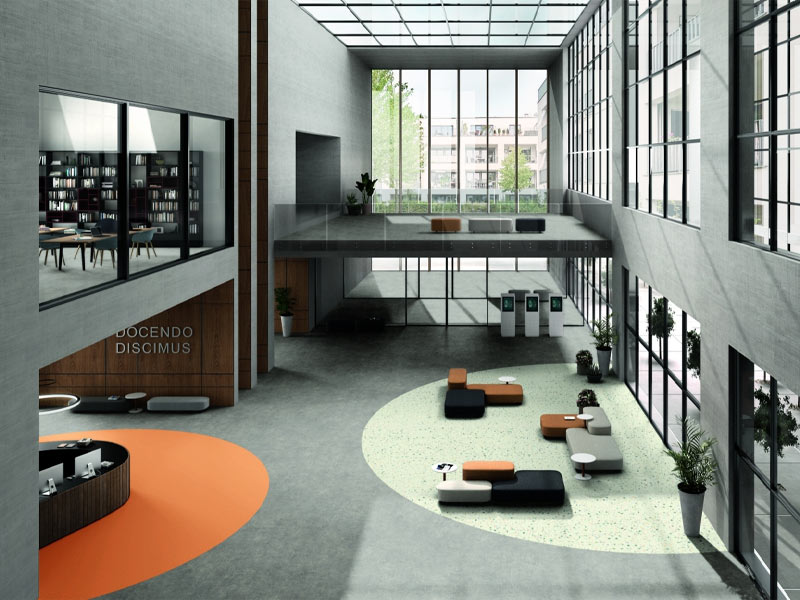

Globalflor aims to add value to projects by offering aesthetic, functional and durable alternatives for living and working spaces with modern and sustainable flooring solutions. It guarantees long-lasting use with its luxury vinyl tiles (LVT), SPC, sports flooring and wide range of accessories, which provide superior protection against water, scratches and wear.
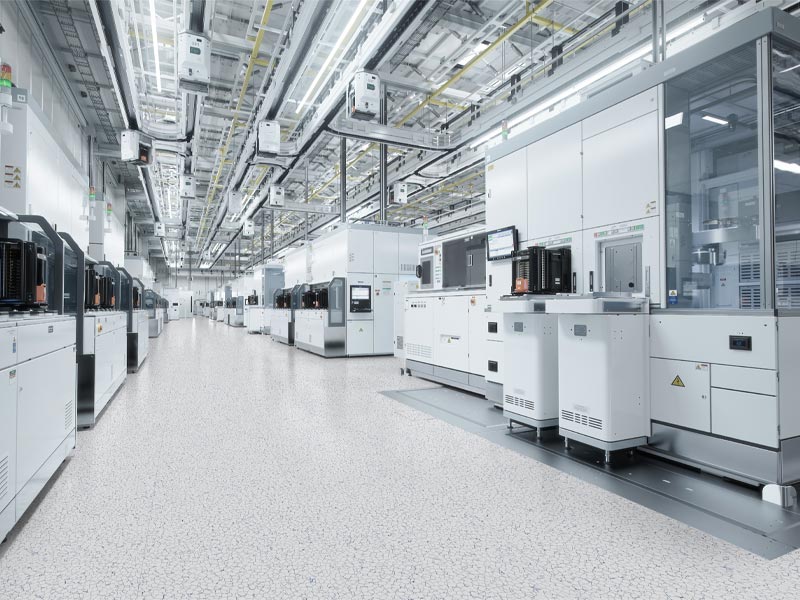
PVC Flooring
PVC flooring is a modern flooring solution widely preferred in interior design, combining durability, aesthetic variety, and ease of use. With its polyvinyl chloride–based structure, it provides a high level of resistance to heavy foot traffic, moisture, and wear. Featuring wood, stone, concrete, or original design looks, it offers a visually rich flooring experience in both commercial and corporate spaces.
PVC flooring adapts easily to different design styles with its wide range of colors, patterns, and textures. Varying according to the area of use, these flooring solutions deliver long-lasting and reliable performance when applied with the correct installation techniques. With the right material selection and professional installation, PVC flooring meets both functional and aesthetic expectations while adding value to interior spaces.
What is PVC Flooring?
PVC flooring is a highly durable flooring solution made from the synthetic material polyvinyl chloride (PVC). Its multi-layered structure ensures long-lasting performance. The top wear layer protects the surface against scratches, abrasion, and impact, while the decorative layer provides the desired aesthetic appearance. The backing layer at the bottom enhances overall structural strength and stability.
Modern manufacturing techniques allow PVC flooring to stand out not only for its functionality but also for the wide range of decorative options it offers. High-resolution designs enable realistic replication of natural materials such as wood, marble, and concrete. In addition, custom and original designs can give interior spaces a distinctive character.
PVC flooring features a robust structure that offers resistance to heavy foot traffic, moisture, and impact. These characteristics make it a reliable solution for various application areas, including offices, healthcare facilities, educational institutions, sports areas, and retail spaces. Its lightweight construction, ease of installation, and low maintenance requirements make it a practical choice for both new projects and renovation applications. Moreover, environmentally friendly PVC flooring products available today support sustainability goals through recyclable content and low VOC (volatile organic compound) emissions.
Types of PVC Flooring
PVC flooring is produced in different types depending on the area of use, technical performance requirements, and design needs. Choosing the right PVC flooring is essential for long-lasting use and a successful aesthetic result. Understanding this variety helps you find the most suitable solution for your space. The main types of PVC flooring are as follows:
● Heterogeneous PVC Flooring
Heterogeneous PVC flooring consists of multiple layers, providing high durability through the wear layer, an aesthetic appearance through the decorative layer, and comfort and sound insulation through the backing layers. Design options such as wood-look PVC flooring or concrete-look PVC flooring are generally produced within this category. It is widely preferred in high-traffic commercial areas, retail spaces, and educational institutions.
● Homogeneous PVC Flooring
Homogeneous PVC flooring has a single-layer structure with the same composition throughout the material. This ensures consistent and long-lasting performance against wear and scratches. It is commonly used in environments where hygiene is a priority, such as hospitals, laboratories, and industrial facilities.
● Conductive PVC Flooring
Conductive PVC flooring is designed to prevent the harmful effects of static electricity by providing electrical conductivity, supporting the safe operation of electronic equipment. For this reason, it is used in sensitive environments such as operating rooms, data centers, and electronic manufacturing facilities.
● Woven PVC Flooring
Woven PVC flooring stands out with its distinctive woven-look surface, offering a modern and stylish aesthetic. These highly durable products are used in areas where both design and performance expectations are high, such as hotel lobbies, offices, and social spaces.
● Acoustic PVC Flooring
Acoustic PVC flooring is produced for spaces requiring sound insulation. The special acoustic layer in the backing significantly reduces impact noise and echo. It is preferred in areas where noise control is important, such as schools, hospitals, offices, and sports halls.
● Compact Heterogeneous PVC Flooring
With its high-density structure and enhanced wear resistance, compact heterogeneous PVC flooring provides long-lasting and reliable performance in commercial areas with heavy foot traffic. It is easy to clean and fully compliant with hygiene standards.
● Slip-Resistant Heterogeneous PVC Flooring
Slip-resistant heterogeneous PVC flooring is produced to enhance safety in wet areas and spaces with a high risk of slipping. Its special surface texture provides strong grip. It is used in areas such as pool surrounds, changing rooms, kitchens, and ramps where there is a risk of falling.
● Multi-Layer Homogeneous PVC Flooring
These products are reinforced with additional layers to enhance the durability of classic homogeneous PVC flooring. They offer superior performance under heavy use and loads and are safely preferred in industrial facilities, production areas, and high-traffic public buildings.
Areas of Use for PVC Flooring
PVC flooring can be safely used across many different sectors and environments due to its durability, hygiene properties, and aesthetic variety. Depending on the product type and technical features, it offers tailored solutions suited to the specific requirements of each space.
● Healthcare Facilities: In areas where hygiene is critical—such as hospitals, clinics, laboratories, and care homes—homogeneous PVC flooring or conductive PVC flooring is primarily preferred. These products meet strict healthcare standards and ensure hygiene through their easy-to-clean structure and resistance to chemicals.
● Educational Institutions: In schools, universities, and daycare centers, heterogeneous PVC flooring solutions with high impact resistance and easy maintenance are commonly used. Models with an acoustic layer provide sound insulation in classrooms and conference halls, creating calmer learning environments.
● Commercial Areas and Offices: Stores, shopping malls, showrooms, and offices are spaces with heavy foot traffic. In such environments, compact heterogeneous PVC flooring delivers long-lasting performance and an aesthetic appearance. Decorative options such as wood-look PVC flooring add a warm and inviting atmosphere to interiors.
● Sports and Recreational Areas: In gyms, fitness centers, multi-purpose sports halls, and dance studios, PVC sports flooring solutions with impact absorption and slip-resistant surfaces are preferred. These products enhance user safety and ensure long-term use by reducing surface wear.
● Wet Areas and Industrial Spaces: In areas with a high risk of slipping—such as kitchens, changing rooms, pool surroundings, and ramps—slip-resistant heterogeneous PVC flooring is used. In industrial facilities and warehouses, multi-layer homogeneous PVC flooring provides superior resistance to heavy loads and impact, maintaining floor integrity.
Advantages of PVC Flooring
PVC flooring offers many advantages in both aesthetic and functional terms with its wide product range and technical features. With the right product selection and professional installation, these advantages can be maintained fully for many years.
● PVC flooring shows high resistance to wear, impact, heavy foot traffic, and moisture. Compact heterogeneous PVC flooring and multi-layer homogeneous PVC flooring provide long-lasting use even in high-traffic commercial areas.
● It offers rich visual options with wood, concrete, stone, or original designs, allowing easy adaptation to different interior styles. Wood-look PVC flooring creates a warm and natural atmosphere, while concrete-look PVC flooring delivers a modern and industrial aesthetic.
● PVC flooring does not trap dust or dirt on the surface, making it easy to clean. It can be cleaned effortlessly with a damp mop or suitable cleaning products. This feature offers a significant advantage in maintaining high hygiene standards, especially in healthcare facilities, educational institutions, and food-related areas.
● Acoustic heterogeneous PVC flooring, with its sound-insulating backing layer, reduces impact noise and echo, providing a more comfortable and quieter environment. This feature is one of the main reasons it is preferred in schools, offices, and residential projects.
● Slip-resistant heterogeneous PVC flooring with anti-slip surfaces increases safety by minimizing the risk of slipping, especially in wet areas and on sloped surfaces. Conductive PVC flooring prevents the harmful effects of static electricity, ensuring the safe operation of sensitive electronic equipment.
● When overall durability, low maintenance requirements, and long service life are considered, PVC flooring prices represent an economical solution in the long term. Models produced in modular PVC tile formats allow damaged pieces to be easily replaced, significantly reducing repair and maintenance costs.
PVC Flooring Materials and Features
The most important factors determining the performance and service life of PVC flooring are the materials used in production and their technical properties. These polyvinyl chloride (PVC)–based floor coverings have a complex, multi-layered structure. Each layer plays a direct role in the floor’s durability, aesthetic appearance, comfort, and safety.
- Wear Layer: This transparent top layer protects the PVC flooring against scratches, abrasion, and impact. Its thickness is directly related to the product’s lifespan; a thicker wear layer means a longer-lasting floor. Compact heterogeneous PVC flooring and multi-layer homogeneous PVC flooring are typically produced with thicker wear layers.
- Decor Layer: This is the most important layer determining the aesthetic appearance of PVC flooring. Wood, concrete, stone, or original designs are applied to this layer using high-resolution printing techniques. Decorative options such as wood-look PVC flooring and concrete-look PVC flooring are achieved through this layer, adding visual richness to interiors.
- Core Layer: This layer enhances the overall stability and comfort of the flooring. In heterogeneous PVC flooring, acoustic layers providing sound insulation or impact-absorbing properties are in this section. The core layer adds flexibility and comfort to the floor.
- Backing Layer: The backing layer provides dimensional stability and ensures compatibility with the subfloor. In models with anti-slip backing, especially slip-resistant heterogeneous PVC flooring designed for wet areas, this layer features a special surface texture that increases slip resistance.
- Special Layers:
● Conductive Layer: Enables the transmission of static electricity, helping protect sensitive electronic equipment.
● Fiberglass Reinforcement: Enhances dimensional stability and prevents expansion and deformation, particularly in large-area applications.
PVC flooring materials are developed not only to deliver durability and aesthetic value but also to meet environmental and health standards, such as low VOC emissions. As a result, they provide a flooring solution that is both safe and sustainable.
PVC Flooring Installation Methods
The performance and service life of PVC flooring depend not only on product quality but also on the correct installation methods. During the application process, the most suitable technique should be selected by considering the material type (homogeneous, heterogeneous, compact, acoustic, etc.) and the intended use of the space.
- Subfloor Preparation: The surface on which PVC flooring will be applied must be clean, dry, flat, and free of dust. Cracks, voids, or slopes in the subfloor are corrected with appropriate materials prior to installation. A smooth surface is a key factor for both aesthetic quality and long-term performance.
- Measurement and Cutting: The flooring material is precisely cut according to the dimensions of the application area. For PVC flooring in roll form, rolls suitable for large-area measurements are preferred to minimize joints. In PVC tile flooring applications, modules are carefully installed with attention to pattern direction.
- Adhesive Application: Special acrylic-based adhesives are generally used for PVC flooring installations. In high-traffic areas such as homogeneous PVC flooring and compact heterogeneous PVC flooring applications, the full-bond method is preferred. The adhesive is evenly spread over the surface, and the flooring material is carefully placed.
- Welding and Joint Sealing: Hot welding or cold welding methods are used to ensure that joints are hygienic and visually seamless. Hot welding is particularly preferred in areas where hygiene is a priority, such as healthcare facilities, laboratories, and food-related spaces.
- Final Inspection and Cleaning: After installation is completed, the surface is carefully inspected for air bubbles, gaps, or adhesion issues. Cleaning ensures that the flooring is ready for use.
Incorrect installation can reduce the performance of even the highest-quality PVC flooring and may lead to unexpected issues. For this reason, installation carried out by experienced professional teams ensures both aesthetic quality and long-lasting, reliable use.
PVC Flooring Prices
PVC flooring prices vary depending on the product’s technical features, design, and installation process. It is not possible to define a single price range, as each project differs in terms of the type of material used, the size of the area, and application conditions.
Main Factors Affecting Price
- Product Type: There may be price differences between homogeneous PVC flooring and heterogeneous PVC flooring models. Compact heterogeneous PVC flooring and multi-layer homogeneous PVC flooring are generally priced higher due to their high wear resistance.
- Design and Pattern Options: Special decorative options such as wood-look PVC flooring or concrete-look PVC flooring may be priced differently compared to standard plain designs and can affect the overall cost.
- Thickness and Wear Layer: A thicker wear layer extends the product’s service life while also increasing its price. Especially for high-traffic areas, this investment provides significant long-term advantages.
- Installation Method: Installation processes and labor costs may vary between PVC roll flooring and PVC tile flooring formats. In projects requiring additional procedures such as hot welding, pricing may increase accordingly.
- Area Size and Project Details: Pricing is generally calculated on a per–square meter basis. As the area increases, the unit price may decrease; however, projects requiring detailed cutting or custom designs may result in higher total costs.
m² Pricing Logic
PVC flooring prices per square meter are calculated based on material cost + labor + auxiliary materials (adhesives, welding rods, etc.). Providing an exact price without clearly defining project requirements is not reliable.
Note: For a long-lasting and high-performance PVC flooring solution, it is important to consider not only price but also the product’s technical specifications and warranty period.
PVC Flooring Maintenance and Cleaning
PVC flooring maintains its original appearance for many years when proper maintenance and cleaning practices are applied. The structure of the material prevents dust and dirt from penetrating the surface easily, making maintenance relatively simple. However, there are certain key points to consider for each type of PVC flooring.
- Daily Cleaning: For everyday use, dry cleaning should be carried out with a broom or microfiber mop to prevent the accumulation of dust and dirt. If wet cleaning is required, neutral pH cleaning solutions should be used. Harsh chemicals may damage homogeneous PVC flooring and heterogeneous PVC flooring surfaces; therefore, using appropriate cleaning products is essential.
- Weekly and Periodic Maintenance: In areas with heavy foot traffic, damp mopping should be performed several times a week. Although compact heterogeneous PVC flooring and multi-layer homogeneous PVC flooring offer high wear resistance, professional cleaning at regular intervals is recommended.
- Prompt Stain Removal: Substances that may leave stains, such as coffee, ink, or food, should be wiped up immediately if spilled on the floor. On decorative surfaces such as wood-look PVC flooring and concrete-look PVC flooring, leaving stains for an extended period may disrupt visual integrity and cause permanent marks.
- Protective Measures: Placing felt pads under furniture legs helps prevent scratches on the floor. Using mats in entrance areas prevents abrasive materials such as stones and sand from being carried onto the surface. In wet areas, choosing slip-resistant heterogeneous PVC flooring increases safety while also simplifying maintenance.
- Professional Maintenance Practices: In high-traffic commercial areas, periodic polishing or the application of protective coatings may be carried out to extend the floor’s service life. Regular inspection and maintenance are important to prevent joints from opening and to maintain hygiene.
A proper maintenance and cleaning routine preserves both the technical performance and aesthetic appearance of PVC flooring for many years. As a result, your investment retains its value and your space always appears well maintained.
Unigen PVC Flooring Solutions
At Unigen, we add value to projects of all scales with our PVC flooring solutions that combine aesthetics, durability, and functionality. Our wide product range includes options with different technical features such as heterogeneous PVC flooring, homogeneous PVC flooring, conductive PVC flooring, woven PVC flooring, acoustic heterogeneous PVC flooring, compact heterogeneous PVC flooring, slip-resistant heterogeneous PVC flooring, and multi-layer homogeneous PVC flooring.
The heterogeneous PVC flooring products of the IVC Commercial brand, which we distribute in Türkiye, offer a wide variety of solutions tailored to the specific needs of many sectors, including compact heterogeneous, acoustic, and slip-resistant options. In areas where hygiene and safety are a priority, such as hospitals and schools, these products feature specially developed Hyperguard + PUR technology that facilitates surface cleaning and maintenance, as well as an additional layer that enhances slip resistance. As a result, IVC PVC flooring delivers both high technical performance and long-lasting use.
Regarding the needs of your projects, we offer solutions in wood, concrete, stone, or custom design looks, available in both PVC roll and PVC tile flooring formats. Our products, characterized by high wear resistance, easy maintenance properties, and compliance with international quality standards, can be used safely for many years.
Unigen PVC flooring solutions address a wide range of application areas, including offices, educational institutions, healthcare facilities, sports areas, hotels, retail spaces, and industrial environments. Our experienced team supports your project at every stage with the right material selection and professional installation processes.
In addition, we can provide more comprehensive solutions by integrating our PVC flooring products with other product groups. For example, depending on the needs of the space, you can combine alternative flooring options such as carpet tiles, luxury vinyl tile (LVT), or woven vinyl to achieve both aesthetic appeal and functional performance together.