Sustainability
At Unigen, sustainability is a fundamental criterion that guides both the development of our product portfolio and the selection of the brands we collaborate with. In architectural projects, we consider environmental impact and long-term performance to be just as essential as aesthetics and technical performance. In addition to our own production systems, we evaluate the manufacturing approaches, environmental standards, and certification processes of the global brands we work with, enabling us to offer flooring solutions that respond to diverse project requirements. In our product selection, low environmental impact, compliance with human health standards, and alignment with international regulations are key priorities. At Unigen, sustainability is addressed as an integrated assessment framework that spans all processes—from production and product portfolios to brand selection and project approach.

Sustainable Production Approach
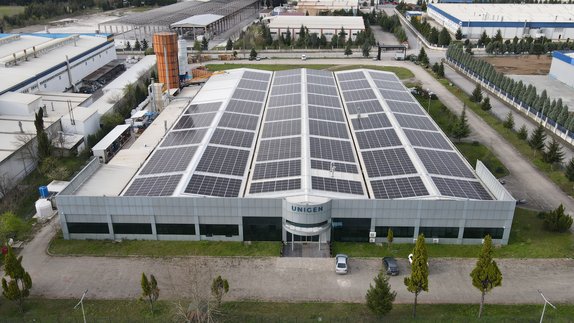
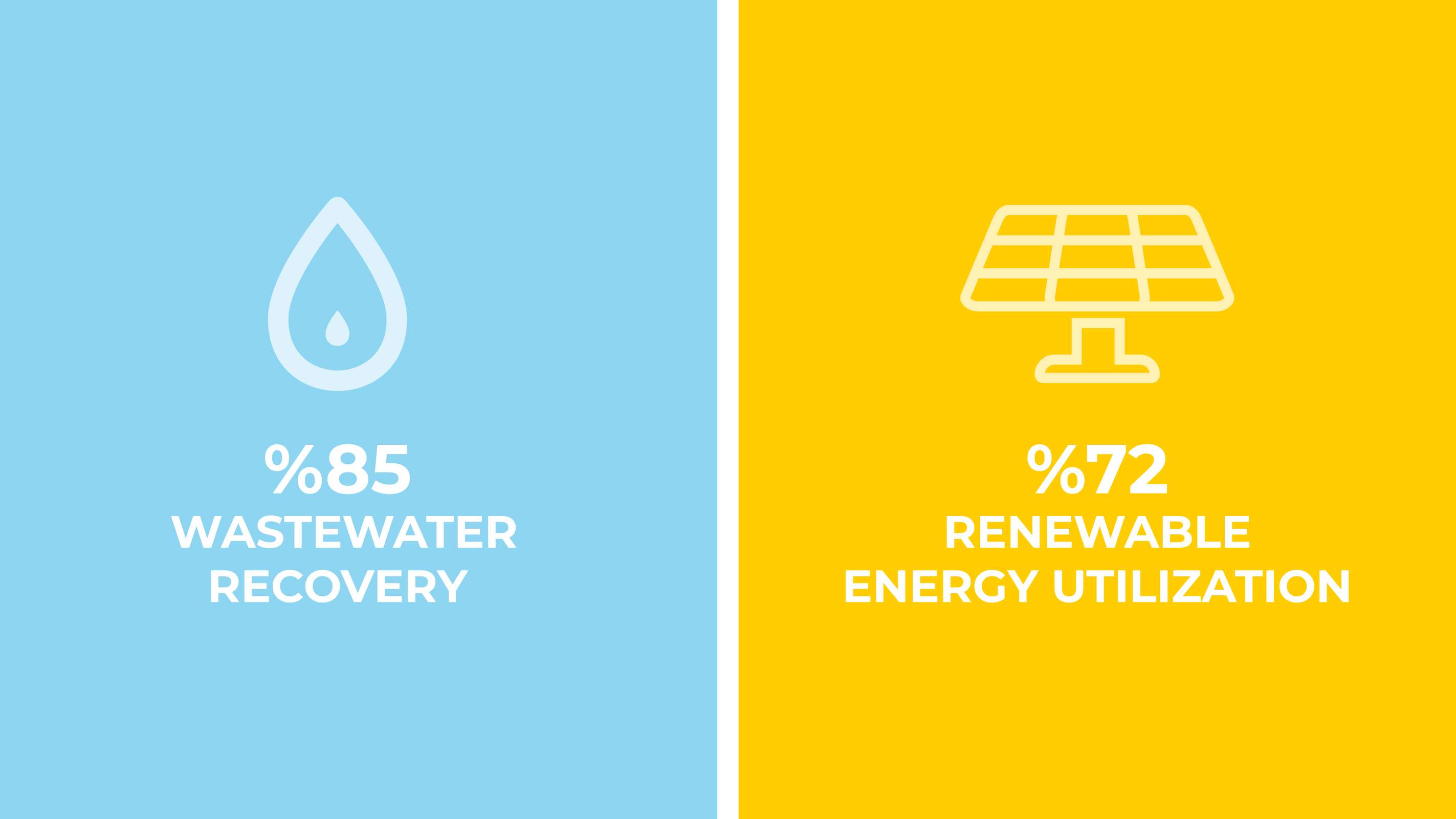
We take an efficiency-driven approach to water and energy use throughout our production processes, aiming to reduce our environmental impact on natural resources. We recover 85% of our wastewater and source 72% of our total energy consumption from renewable resources.
Waste Management and Circular Approach
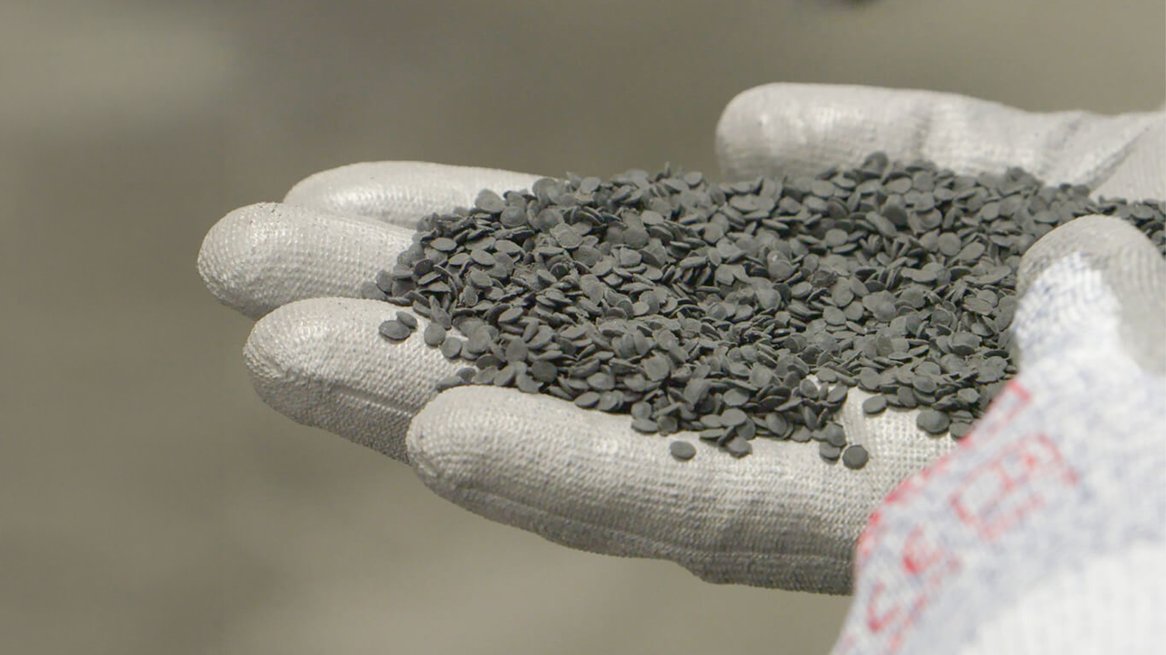
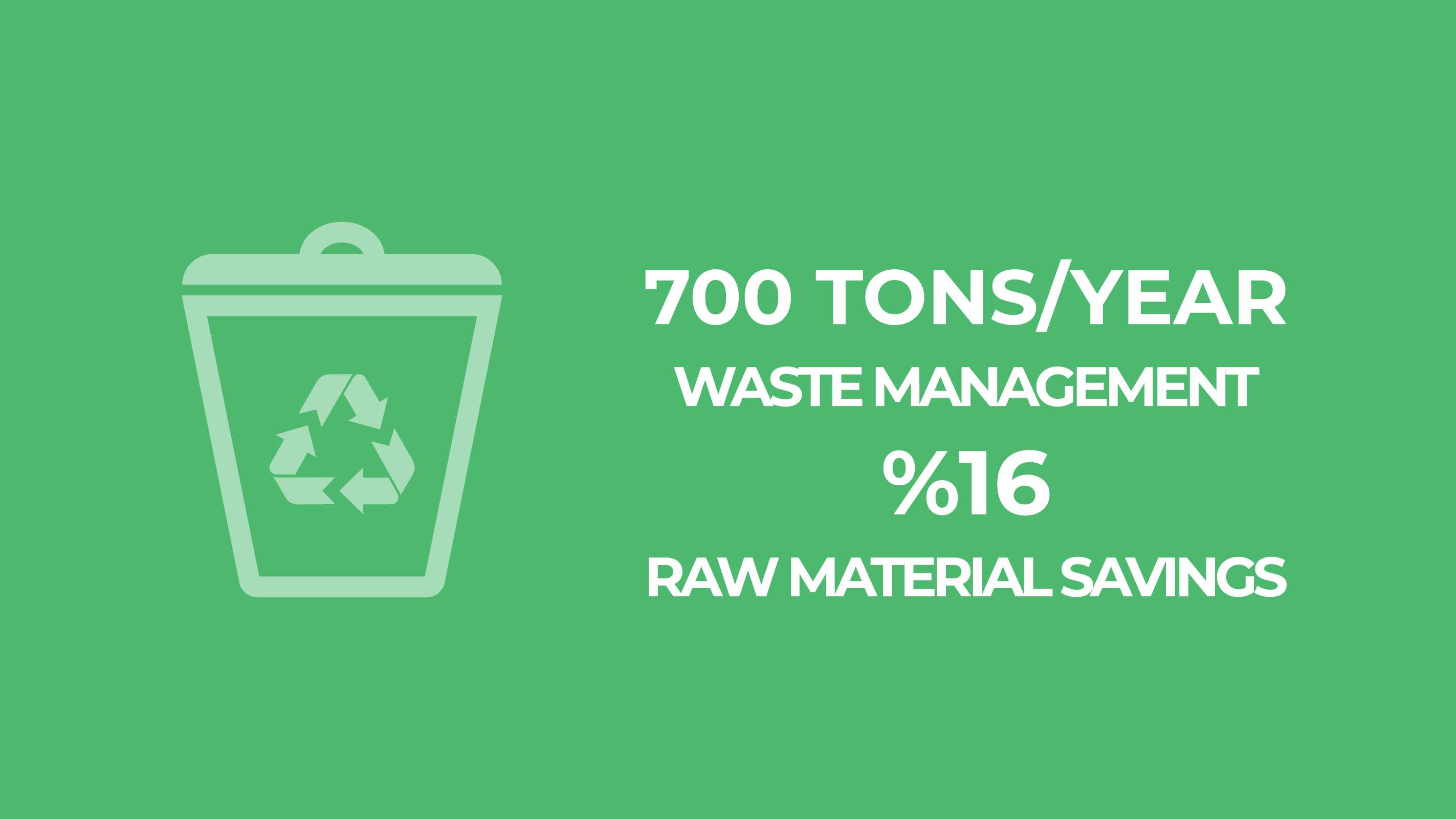
We separate waste at the source and integrate it into recycling processes throughout our production and operational activities. By managing approximately 700 tons of waste annually, we support a circular production approach and achieve a 16% reduction in raw material consumption.
Lean and Digital Production
Through lean production principles and our digital factory infrastructure, we monitor, analyze, and continuously improve our production processes end to end. This approach enhances operational efficiency while supporting our long-term sustainability objectives.
.png)
Circular Economy & Material Recovery
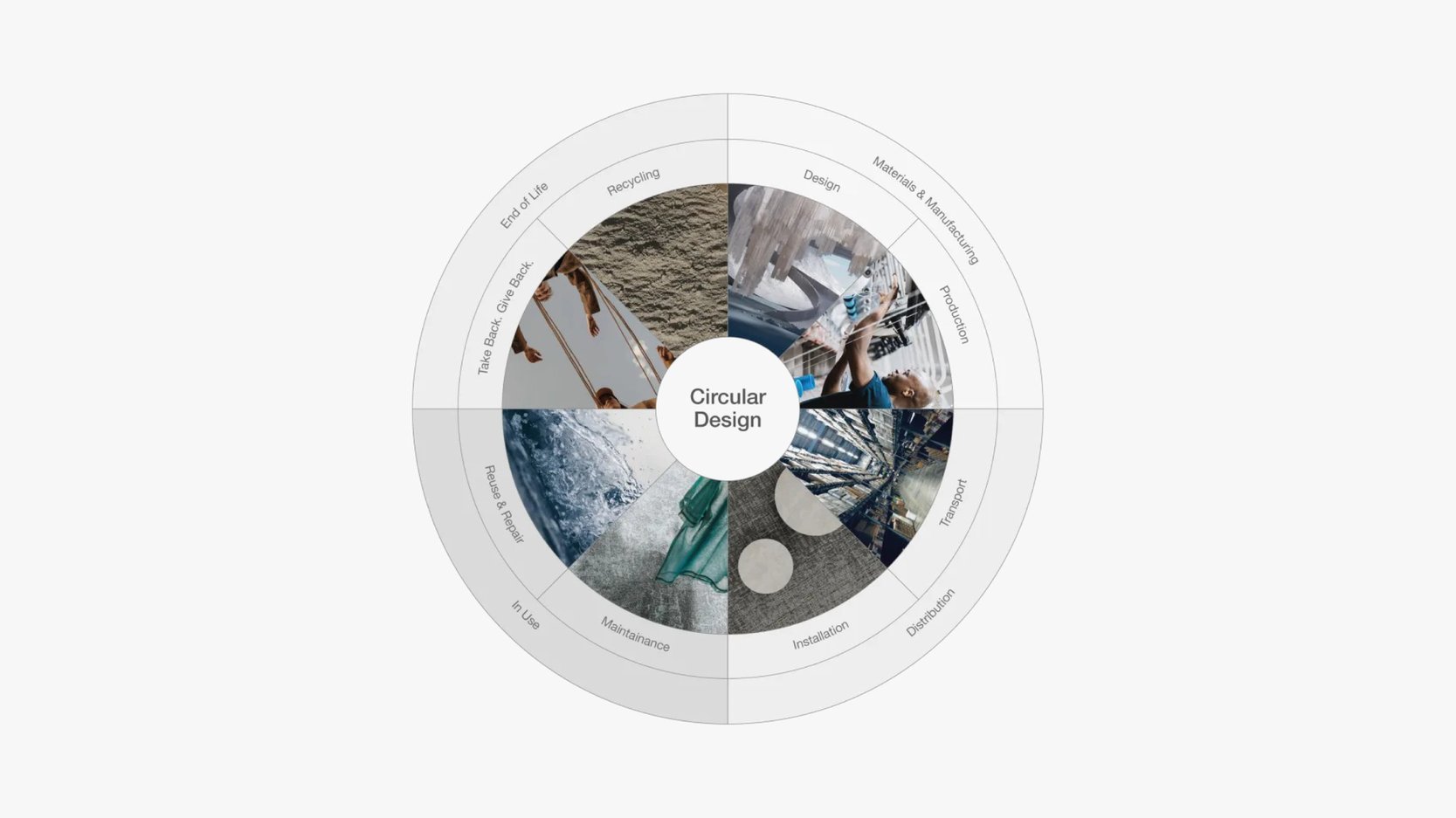
Modulyss approaches sustainability through circular economy principles, focusing on the reuse and recovery of materials throughout the product lifecycle. Its carpet tile collections feature up to 80% recycled content, while the Take Back. Give Back. program enables used tiles to be collected and reintroduced into new production cycles or alternative applications, supporting responsible end-of-life solutions.
Sustainable Development Goals
Modulyss aligns its sustainability approach with the United Nations Sustainable Development Goals, contributing to responsible production, climate action, and healthier built environments through its products and value chain practices. Modulyss®️ helps you comply with a variety of green building standards, from BREEAM to LEED to WELL.
Cradle to Cradle Certified®
Modulyss develops carpet tile collections that are Cradle to Cradle Certified® at Silver and Gold levels. This certification assesses products across key criteria such as material health, product circularity, clean air and climate protection, water stewardship, and social responsibility, supporting a transparent and responsible production approach.
.png)
Eco-Design and Circularity
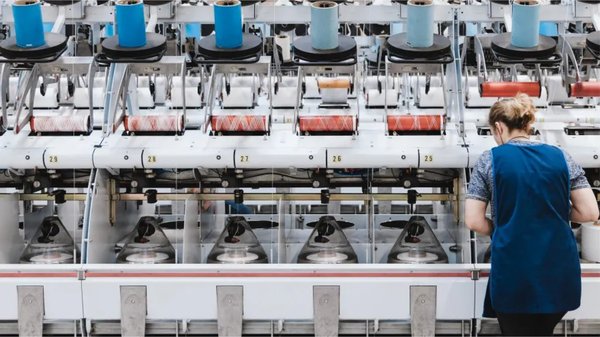
Sustainability is embedded in Mohawk Group’s product development through an eco-design approach that prioritises responsible raw material selection and advanced manufacturing technologies. Recycled content is incorporated wherever feasible, and products are designed with circularity in mind, supporting the goal of 100% recyclability at the end of their lifecycle.
ReCover Program
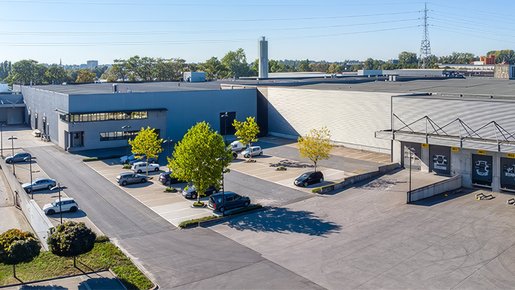
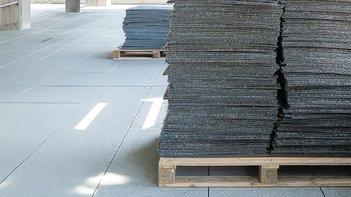
ReCover is Mohawk Group’s recovery, reuse, and recycling program for flooring waste. The program collects post-installation waste from Mohawk collections as well as post-consumer flooring from other manufacturers. By prioritising reuse wherever possible, ReCover extends product lifecycles and supports responsible end-of-life management.
Green Building Certifications
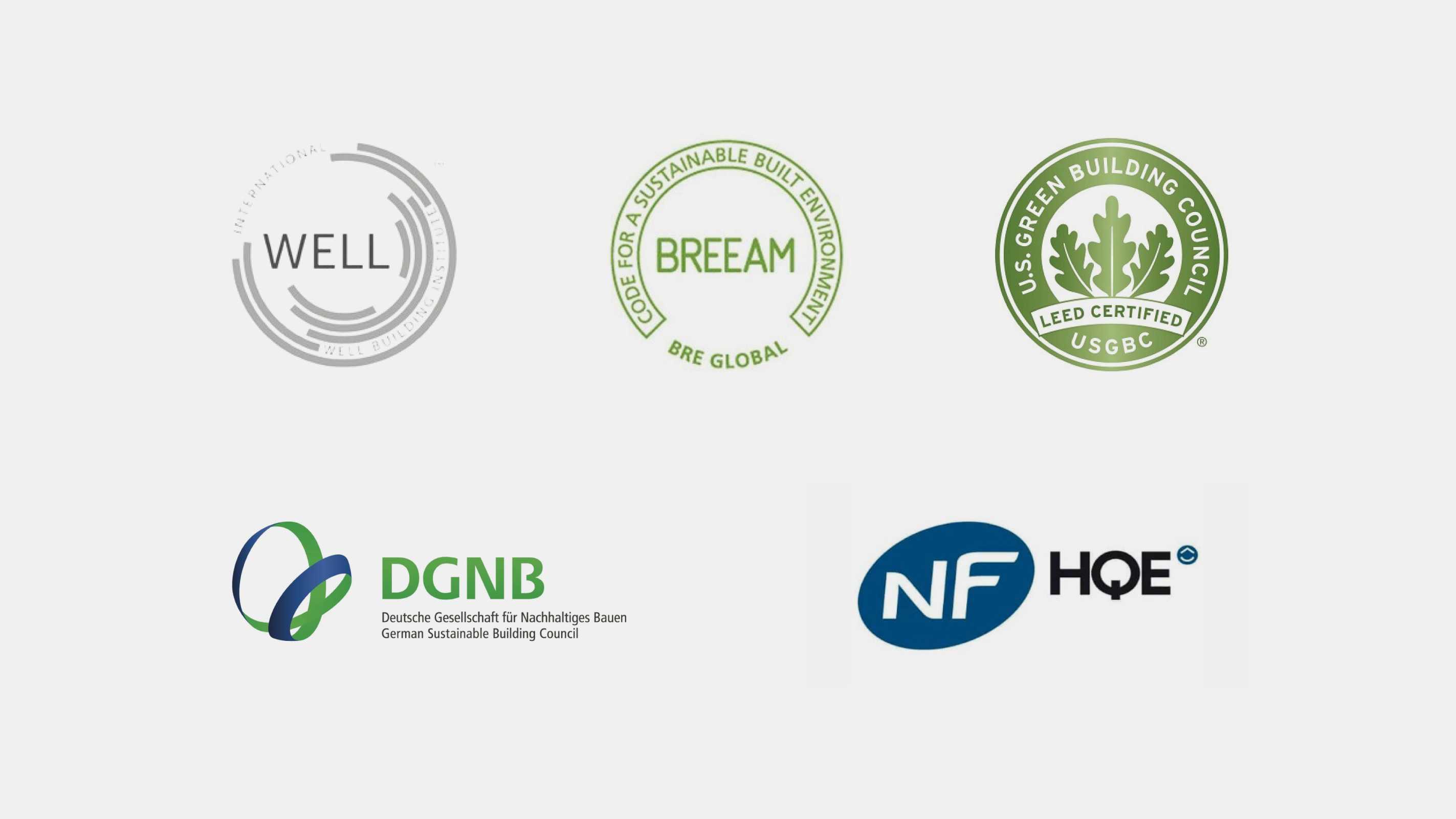
Mohawk Group collaborates with licensed third-party assessment bodies to evaluate its contribution to green building certification systems such as LEED, BREEAM, WELL, DGNB, and HQE. Sustainability datasheets provide clear guidance on how products can support project certification requirements.
.png)
Waste Management
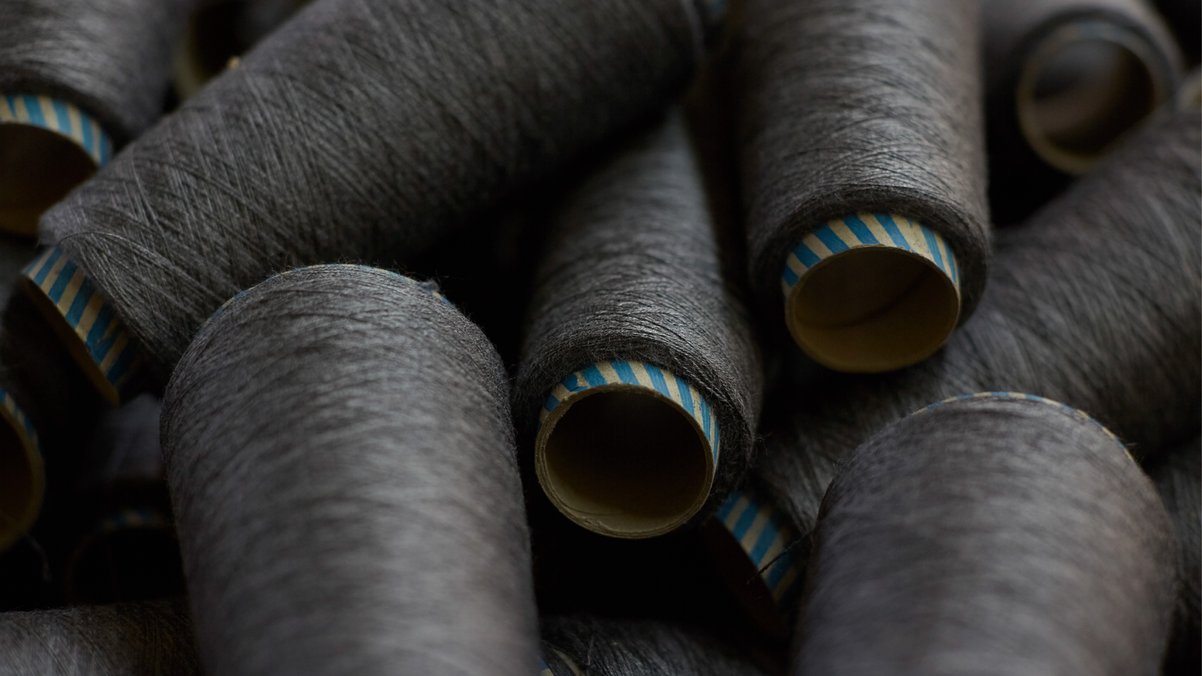
All waste from Dickson®️'s head office and production site is completely separated. About 300 metric tons of waste is separated each year for specific recycling. He used our recycling system to develop the Replay series, where our recycled products make up 30% of the materials.
Water Recycling
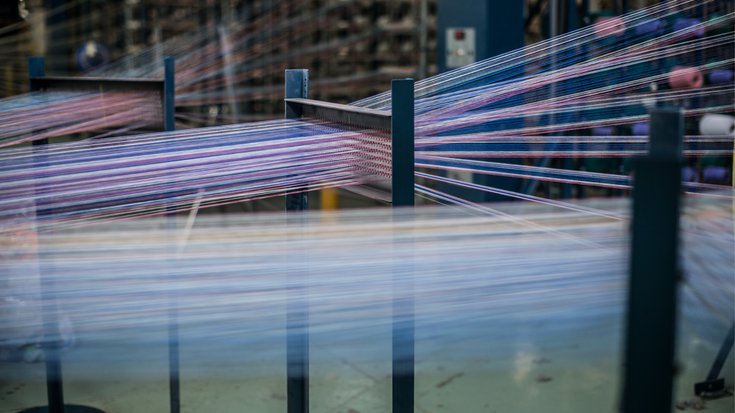
Solution dyeing of our yarns ensures color fastness and saves water. It allows us to avoid the use of traditional dyes that pollute and consume water. The small amount of water used in our production process is completely sterilized by the local wastewater treatment plant close to our factory.
.png)
Circular Economy
Circularity lies at the very foundation of Unilin. Since its origins, the company has focused on using renewable and recycled materials and continuously improving product recyclability. This circular economy approach remains a driving force behind Unilin’s product development and production processes today.
Renewable Energy and Energy Efficiency
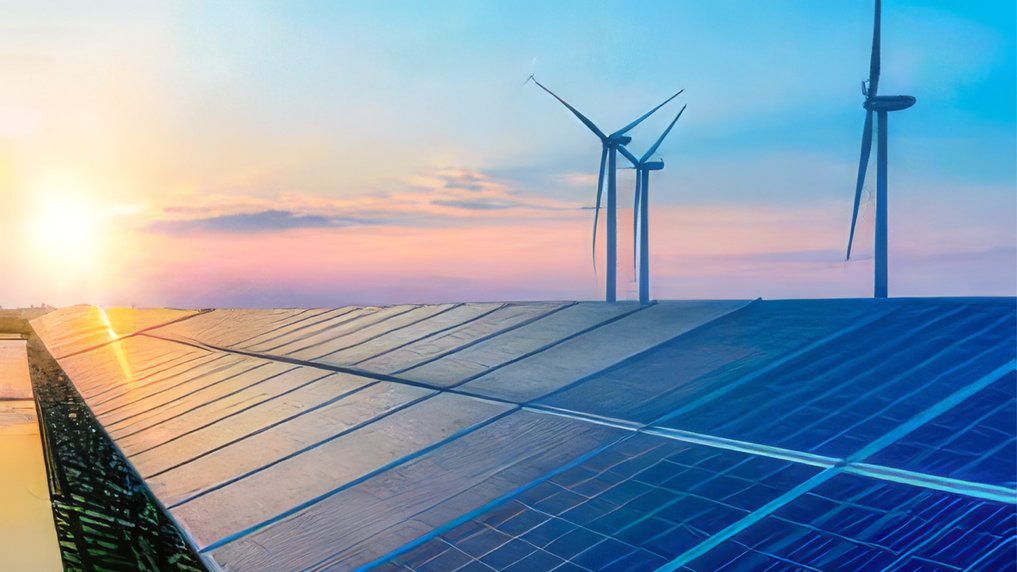
Unilin places a strong emphasis on renewable energy through its green energy plants, wind turbines, and extensive solar panel installations. As a result, the share of renewable energy in its total energy consumption increased from 57% in 2020 to 64% in 2024, supported by robust energy management systems.
Environmental & Energy Management
Effective environmental management plays a key role in reducing Unilin’s environmental footprint. More than half of its production sites are ISO 14001 certified, while over 80% of energy consumption takes place at sites with ISO 50001 or approved energy management systems, ensuring efficient and responsible operations.
.png)
Circular Approach
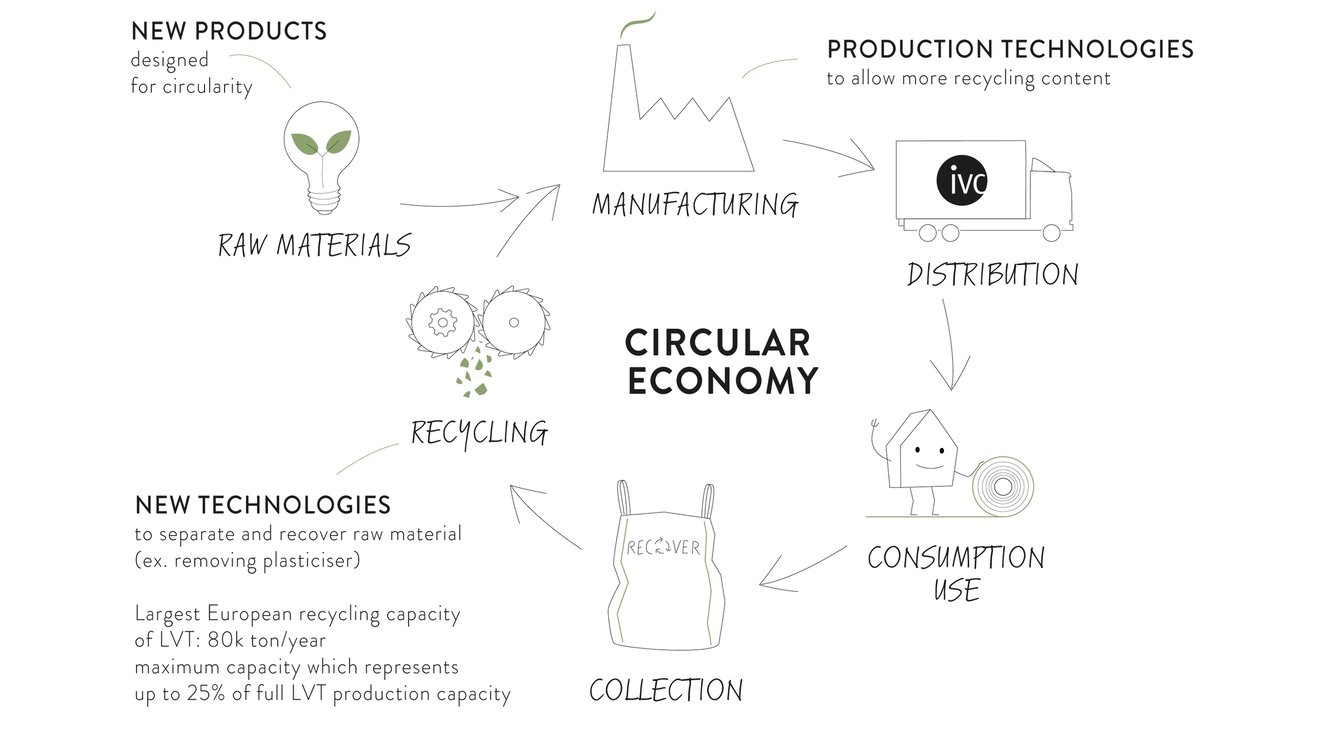
IVC Commercial approaches sustainability through a circular mindset, addressing environmental impact across design, manufacturing, and end-of-life processes. Resource efficiency and long-term performance form the foundation of this approach throughout its operations.
Recycled Materials and ReCover Program
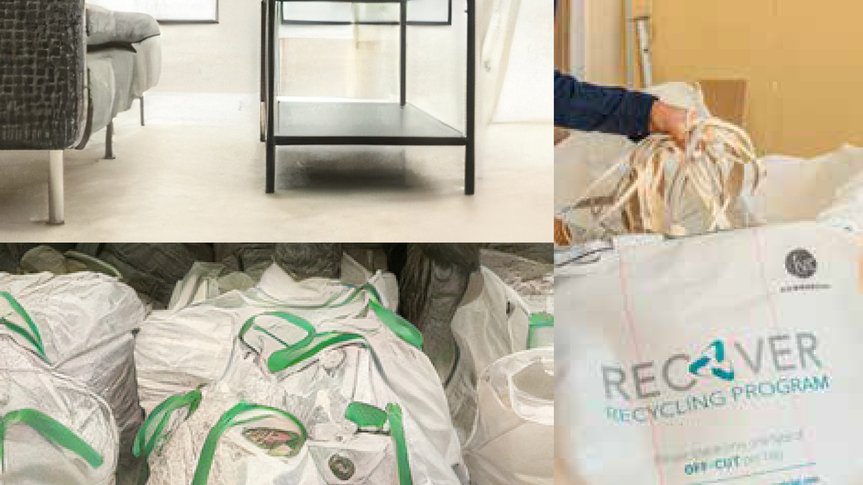
IVC Commercial integrates recycled materials into its processes and supports responsible end-of-life management through the ReCover program. This program enables the collection, reuse, and recycling of post-installation and post-consumer materials, contributing to circular material flows.
Harnessing Natural Resources
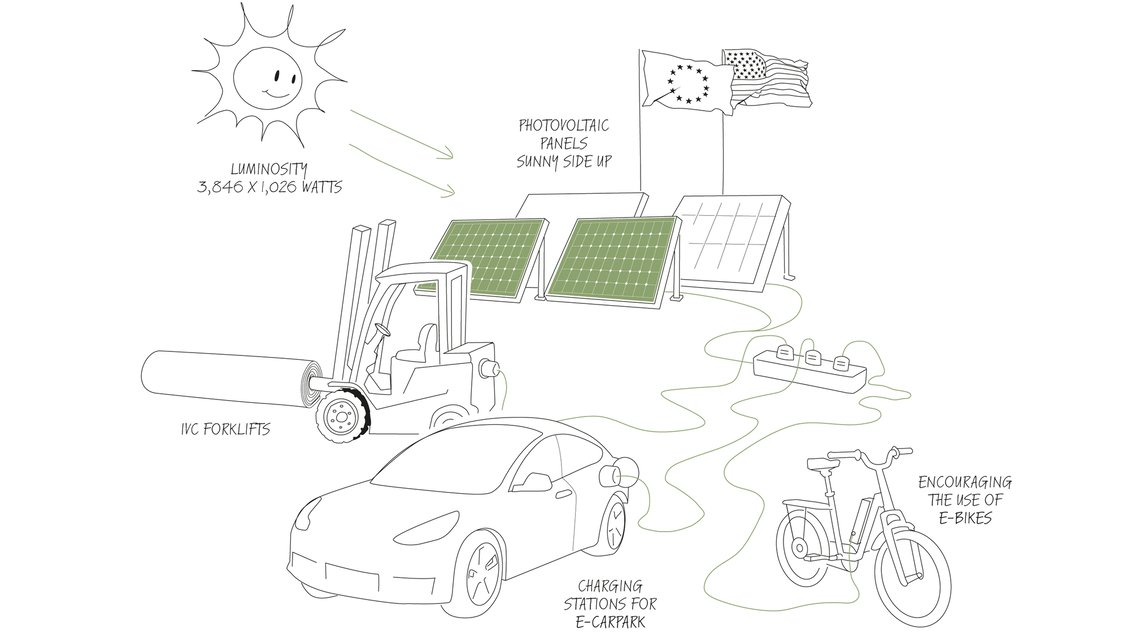
IVC Commercial reduces its environmental footprint by making responsible use of natural resources such as wind, sun, water, and air. Renewable energy generation, closed-loop water systems, and energy-efficient cooling solutions support more sustainable manufacturing operations.